








What to Pack in your Hospital Bag

What to Pack in your Hospital Bag

Packing a hospital bag for labour can be a daunting task, especially for first-time parents. But with a little bit of planning and organisation, you can ensure that you have everything you need for a comfortable and stress-free labour and delivery experience. We’re sharing the...

All information correct at the date of publishing: 3 February 2023

Packing a hospital bag for labour can be a daunting task, especially for first-time parents. But with a little bit of planning and organisation, you can ensure that you have everything you need for a comfortable and stress-free labour and delivery experience. We’re sharing the essentials you can pack to help make your hospital visit as comfortable as possible.

What should I pack in my hospital bag for labour?

When it comes to packing your hospital bag for labour, there are a few key items that you should bring to ensure that you are comfortable and have everything you need during your stay. Our list would include:

  • Your maternity notes - this will help the team have everything to hand for your care
  • Any medications that you are currently taking
  • Your birth plan, or list of birth preferences
  • Comfortable clothes to wear during labour, such as a nightgown or t-shirt plus anything you would like to wear in a birthing pool such a bikini/bra top
  • More comfortable clothes to wear after labour such as loose-fitting top and trousers - soft waistbands are a must
  • Slippers or comfortable shoes
  • Your favourite toiletries (not forgetting toothpaste and toothbrush) 
  • Lip Balm (Gas and air and deep breathing can irritate lips)
  • A hairbrush and hair ties 
  • A book, magazine or podcast for quiet moments
  • Snacks and non-fizzy drinks
  • Water bottle (ideally with straw)
  • Headphones or a speaker to listen to music
  • Glasses or contact lenses if you wear them
  • Extra-long charger cable - no reaching out of bed for that phone! 
  • Maternity pads
  • Breast pads and nursing bra
  • Any items you have used to prepare for birthing such as playlists, affirmations cards, essential oils
  • A form of ID for yourself and your partner
  • Aim to pack your hospital bag around 38 weeks to make sure you are feeling prepared and ready to go. Take some time to talk your birthing partner though what you have packed and where it all is, so they can get you what you need when you’re focussing on your labour.

    Do I need to pack anything different for a planned c-section?

    You will need to have all of the things listed above as well as high-waisted underwear and soft, loose-fitting trousers so make sure nothing irritates your caesarean wound. You may also want to make sure you have backless shoes on hand to avoid having to bend down which may be uncomfortable at first.

    What should I bring for my birthing partner to the hospital during labour?

    Don’t forget that your birthing partner may also spend a number of hours with you, so they may also want to have some comfy clothes, toiletries, snacks and chargers on hand too, so they don't need to dip into your supplies!

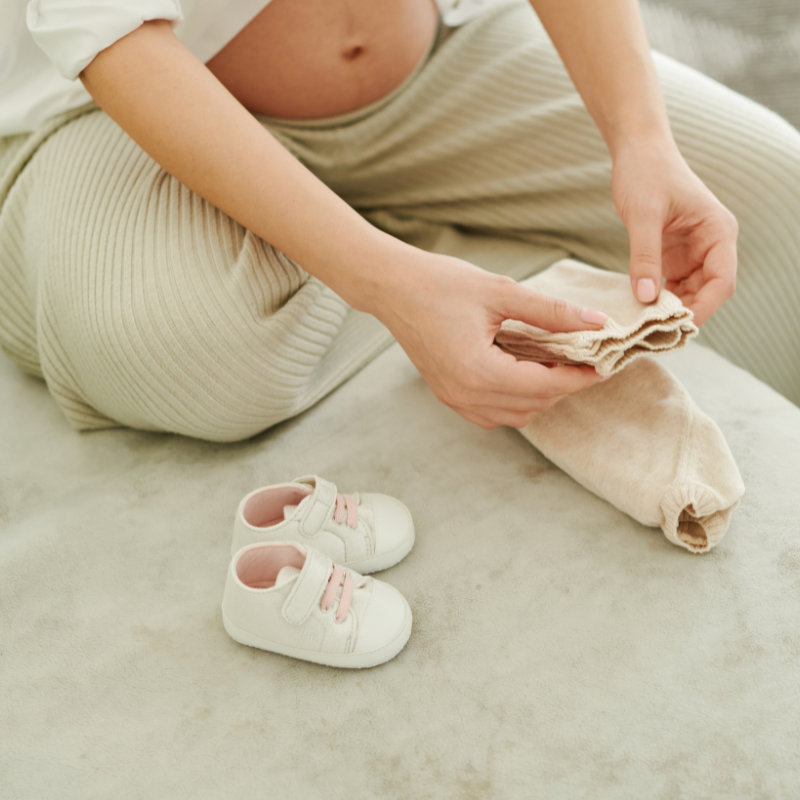
    What should I pack for my baby in the hospital bag?

    While the hospital will help with many of the essentials for your newborn baby like the cot and blankets, there are a few items that you may want to bring from home.

    • Muslins for nursing and cleaning up
    • Nappies
    • Cotton wool balls or water wipes
    • Vests and baby grows - around 3 changes is a good base and you might want to have a few size options 
    • Hat (even summer babies may need a light hat)
    • Blanket
    • Going home outfit
    • Car seat (you won’t be allowed to leave without one!)
    • Any breast-feeding supplies such as cream and breast pads, or any formula supplies you may wish to have

    Helpful Resources

    The NHS website has a section on "Preparing for birth" that provides information on what to bring to the hospital, as well as what to expect during labour and delivery.

    The NCT website also has a some recommendations that might be useful.

    We would also recommend that you check with your specific hospital or midwife for any extra items they recommend or need you to bring, as some hospitals may have different guidelines.

    Related Articles

    10 Sep 2026

    The Ultimate Guide to Teething

    Teething is one of those baby milestones every parent feels...

    read now

    03 Sep 2026

    The Nursery Transition: How to Handle the Change

    Nobody prepares you for the first day at nursery. You...

    read now

    21 Aug 2026

    Iron-Rich Foods for Babies: A Simple Guide to Weaning & Meal Ideas

    You’ve just about got the hang of milk feeds… and...

    read now

    13 Aug 2026

    Reflux, Colic or Milk Intolerance? How to Spot the Difference

    When feeding isn’t going well or becomes a challenge, it’s...

    read now

    10 Aug 2026

    Newborn Formula Feeding Guide: How Much and How Often to Feed by Age

    Feeding a newborn comes with so many questions, and hey...

    read now

    06 Aug 2026

    Vitamin D for Babies: NHS Guidance, Daily Dosage & the Easiest Way to Give It

    Vitamin D is one of the most searched topics for...

    read now

    20 May 2026

    Parenting burnout: Symptoms and Therapist-Approved Ways to Cope

    Parenting is often described as one of life’s most rewarding experiences, but it can also be one of the most exhausting. Whether you’re a first-time...

    read now

    20 May 2026

    9 Parenting Tips for Surviving the Newborn Stage

    The first few weeks with a newborn can feel magical, but also overwhelming. Babies don’t come with a manual, so for many first time parents,...

    read now

    18 Feb 2026

    The thoughts you’re too afraid to say out loud as a mum and the meaning behind them

    By Sophie Harris - Postpartum & Motherhood Psychotherapist   Grab a cuppa for this 10 minute read In this blog: read now

    18 Feb 2026

    Navigating identity loss in motherhood… And how to begin finding you again

    By Sophie Harris - Postpartum & Motherhood Psychotherapist   Grab a cuppa for this 10 minute read In this blog: read now